

By Fernanda Lopez Halvorson, County of San Diego Communications Office
Jul. 8, 2025 | 2:20 PM
Reading Time: 3 minutes
The results are in from a second, larger community survey where 2,099 people in San Diego’s South Bay completed questionnaires about their experiences living, working or recreating near the Tijuana River Valley and polluted beaches from the border to Coronado.
Overall, the results show people in the area have concerns about air quality and drinking water and have made changes to their daily lives in response to the sewage crisis.
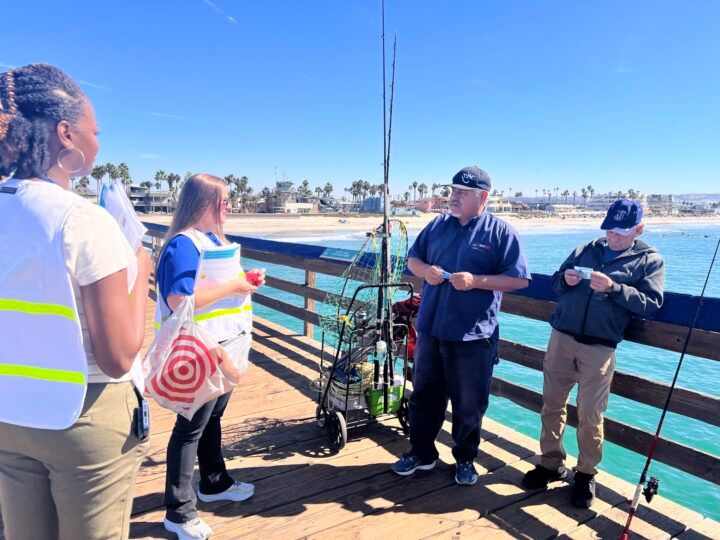
In November 2024, the Centers for Disease Control and Prevention’s (CDC) Agency for Toxic Substances and Disease Registry (ATSDR) asked San Diegans in the County’s south region about how the sewage flows had impacted their lives.
The survey is called the Assessment of Chemical Exposures (ACE). It is used by the ATSDR to quickly assess how many people were exposed to harmful agents and if they are experiencing symptoms or have any immediate needs.
The information collected in the South Region includes anecdotal stories about changes to everyday life along with physical and mental health impacts. The results are being used to determine what steps and support further efforts to address the sewage crisis with local, state and federal partners.
About the results:
People can view and download the ACE results on an interactive dashboard on the County’s Tijuana River Valley and Beach Water Sewage Crisis Public Health Response website (sandiegocounty.gov/southregionhealth).
Regarding demographics of those who took the survey, 49 percent are Hispanic/Latino(a) and 41 percent are white. Among respondents, 86 percent said they live in the area, 31 percent say they visit the area for recreational activities, 21 percent work there and 16 percent attend preschool or school.
67 percent said they do not believe the area is safe to visit, work or live in.
Among the top concerns was air quality (97 percent), beach water quality (96 percent), Tijuana River quality (94 percent) and drinking water (86 percent).
About 80 percent said they have made many or some lifestyle changes due to the sewage and taken steps to avoid the area.
When it came to drinking water, the majority, 70 percent, said they use bottled water, with only 21 percent drinking tap water.
64 percent reported at least one new or worsening physical health symptom they attributed to the sewage crisis in the past 30 days
People reported headaches, a runny nose, congestion and coughing as the most common symptoms related to the sewage crisis.
Regarding mental health, 65 percent said their symptoms are related to the sewage crisis with 28 percent reporting some anxiety or worry and 21 percent reporting s depression
More than 60 percent of parents answering for children said their child had missed preschool or school due to symptoms they believe are related to the sewage crisis.
34 percent of those working in the area missed work due to symptoms they attributed to the crisis
25 percent of all survey participants have pets with health symptoms like skin, ear or eye issues or respiratory, cardiac or digestive symptoms, they believe to be linked to the sewage crisis.
When asked about unmet needs, 48 percent said clean water, 25 percent said medical care and 20 percent said mental health care.
The results of ACE confirmed the results of the Community Assessment for Public Health Emergency Response (CASPER) completed last October while expanding participation to more impacted communities and to the individual level instead of households
Community members reporting physical symptoms and mental health issues they felt were caused by the sewage crisis were prevalent in both surveys. Concerns about the safety of the community and of the safety of tap water for drinking were also common to both surveys.
Ongoing collaboration
The County is leading an ongoing collaboration with multiple agencies, bringing them together for regular meetings to address air and water issues related to the Tijuana River Valley crisis.
Based on assessment results, the County has identified the following priority actions to address with collaborating partners.
Communication: Share health and resource information in multiple formats including social media and via community outreach workers.
Drinking Water: Educate the community about how household drinking water is tested and not sourced from the Tijuana River.
Mental Health Concerns: Promote mental health services and resources.
Healthcare Providers: Update providers on surveillance activities and ongoing projects.
Pet Concerns: Engage with vets, hospitals and area animal organizations.
More actions around the sewage crisis
Expected to take about two years, another public health assessment from the Centers for Disease Control and Prevention (CDC)/Agency for Toxic Substances and Disease Registry (ATSDR) will evaluate the Tijuana River Valley for hazardous substances, health outcomes, and community concerns.
This new public health assessment will look at environmental data from government agencies and researchers, review air, surface water, sediment, soil, fish tissue, and odor complaint data, identify information gaps and uncertainties where there is not enough data to determine health risks and make recommendations to agencies, community members, and others to prevent and minimize harmful exposures.
To view the ACE and CASPER studies and regularly updated information about health concerns and impacts from sewage and pollution in the Tijuana River Valley, visit sandiegocounty.gov/southregionhealth.
Mental health resources are available for anyone feeling emotionally affected by the Tijuana River Valley sewage crisis through the San Diego Access Crisis Line by calling 1-888-724-7240 or 988. Fernanda Lopez Halvorson is a group communications officer with the County of San Diego Communications Office