


We often hear about how rough the business climate is in California for small businesses. I work with family farms, local grocers, and wholesale distributors across Washington, Oregon, Arizona, Texas, and here in San Diego County, and I’ve seen firsthand how California’s regulatory climate stifles growth.
This past week, the American Tort Reform Association released their annual “Judicial Hellholes” report, which once again shows that California is among the worst states in the nation due to a myriad of laws and regulations that create perilous conditions for small businesses and entrepreneurs. Unfortunately, California has appeared on the list for two decades. The ranking does not reflect a single case or an unusual year. It reflects a long-running pattern that has made it harder for businesses to plan for the future and for families to manage rising costs.
The report details a legal environment marked by massive verdicts, expanding liability theories, and an ongoing rise in lawsuits that target employers and small businesses. It notes a billion-dollar verdict that gained national attention and illustrates how unpredictable some courtrooms have become. These outcomes raise costs and deepen the uncertainty business owners face trying to operate in California. When risk becomes impossible to measure, the price of goods and services rises for everyone.
ADA and PAGA cases are a major part of this growing challenge. Many ADA claims come from serial filers who bring dozens of cases a month over technical issues that do not improve accessibility. PAGA has evolved similarly. Claims that once would have been resolved through simple conversations now turn into sweeping actions that expose employers, especially small ones, to crushing penalties.
These lawsuits are often less about solving problems and more about exploiting a system that is too easily abused. Small businesses settle even when they did nothing wrong because they cannot afford the fight.
These pressures exist alongside broader litigation trends that affect the entire state. California courts have become a testing ground for new and speculative claims. Cases based on questionable science or novel theories move forward, even when federal regulators raise concerns. This erodes confidence in a system that should be grounded in fairness, evidence, and common sense.
The economic impact of these trends is severe. Families across California pay an average of more than $9,800 each year in costs associated with excessive litigation. In urban areas of our state, like Los Angeles, that burden rises to more than $15,000 per family of four. Statewide, more than 829,000 jobs are lost every year because of the weight these legal pressures place on employers. These figures represent real families, real workers, and real businesses that cannot absorb endless lawsuits and rising operating costs.
San Diego is not insulated from these realities. Our region depends on small and mid-sized businesses that operate on narrow margins. Local growers, retailers, and service providers must absorb higher insurance premiums and legal costs that flow from conditions shaped by courts across the state. These added costs show up in the prices families pay, the services available in their communities, and the long-term stability of the businesses that make San Diego unique.
There are signs of progress. SB 84, introduced in 2025 by the Legislature, creates the framework for important updates to the ADA standards that would give small businesses a “right to cure.” California needs more solutions like this, especially those that protect workers while also preventing the litigation traps that destroy businesses.
State lawmakers must take this report’s findings seriously. California needs more reforms that restore fairness to our legal system. These changes need to increase clarity, protect legitimate claims, and ensure that disputes are resolved in a way that strengthens, rather than destabilizes, the communities we depend on.
The path forward begins with recognizing that the current system is not working as it should. California deserves a fair and functional legal climate. The people of San Diego and every region of our state deserve a system that supports growth, opportunity, and stability.
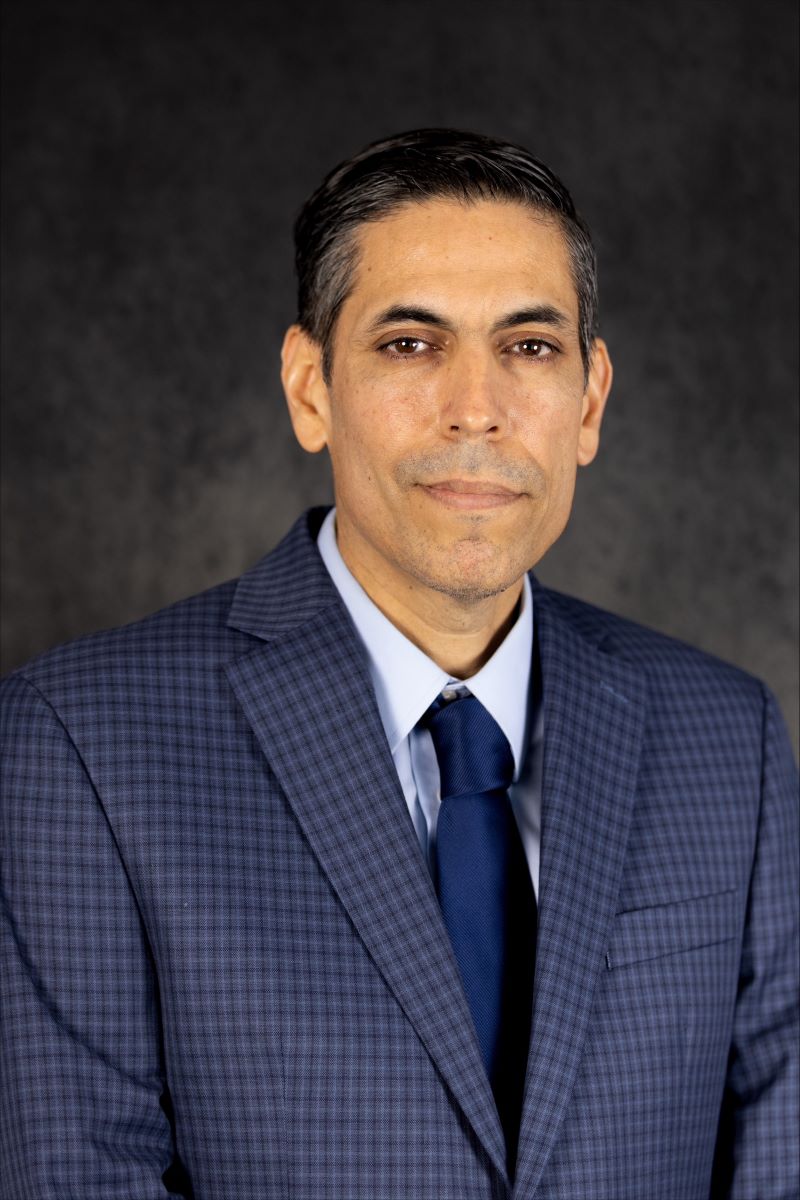
Frank Nunez is a Vista native, an agriculture industry professional, small business owner, and serves on the Vista Irrigation District Board of Directors.