

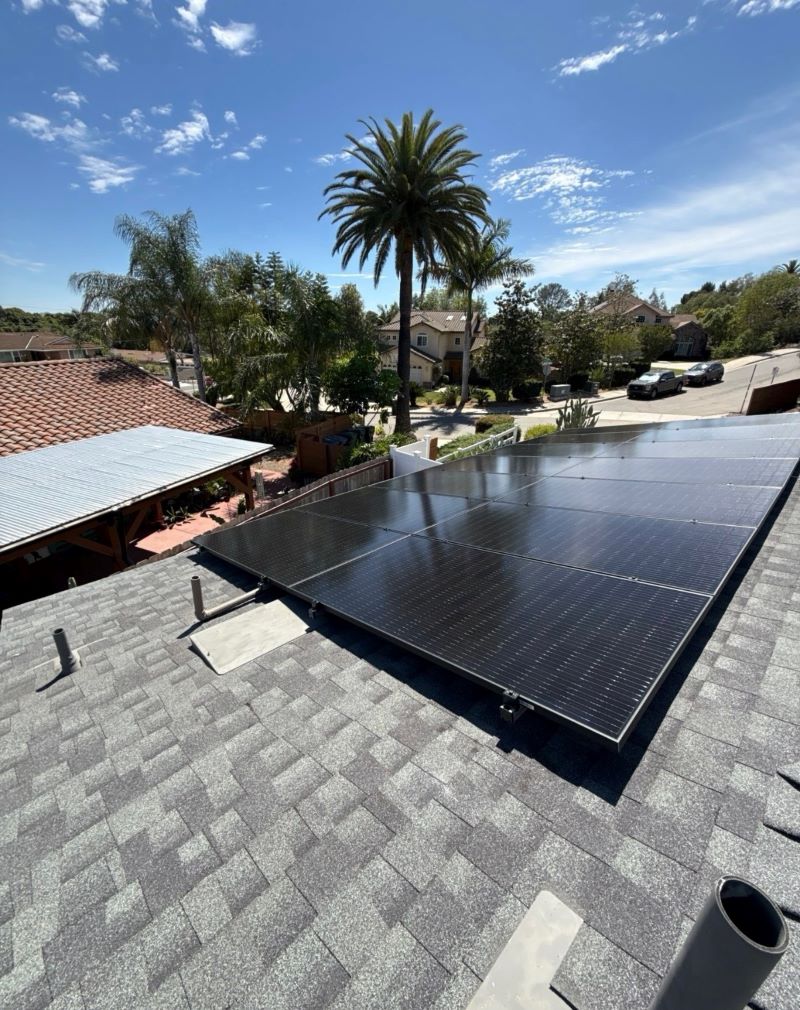
For years, rooftop solar in California was a straightforward financial decision: install panels, send excess energy back to the grid, and watch your meter spin backwards and see your electric bill shrink dramatically. That model worked under earlier policies like Net Energy Metering (NEM) 1.0 and 2.0, which paid homeowners near-retail rates for the energy they exported.
But that era is now over.
In April 2023, California fundamentally reshaped the solar landscape with the introduction of NEM 3.0 (officially called the Net Billing Tariff). The change didn’t eliminate the value of solar—but it completely changed how that value is created.

________________________________________
The biggest shift is simple but powerful: utilities now pay far less for excess solar energy sent to the grid.
• Export compensation dropped by roughly 70–80% compared to previous programs
• Instead of being paid retail electricity rates, homeowners are now paid “avoided cost” rates, which are much lower and vary by time of day
• Overall lifetime savings from solar alone have declined significantly—by as much as 60% in some cases
In practical terms, this means the old strategy—oversizing a solar system and selling excess energy back to the grid—is no longer nearly as profitable.
Under the previous system, solar was about production: Generate as much energy as possible and export the extra back to the grid. Under today’s system, solar is about control: Use as much of your own energy as possible—and use it at the right time. Why? Because electricity is now worth very different amounts depending on when it’s used or exported. Midday solar power—when panels produce the most—is often worth very little. Evening power—when demand is high—is worth much more.
This creates a mismatch:
You produce energy when it’s least valuable and need to use it when it’s most expensive. The good news is that there is a smart solution that helps you offset a lot of these adverse changes. Include a battery as part of your solar system to store your excess energy and use it when electricity rates are the highest.
________________________________________
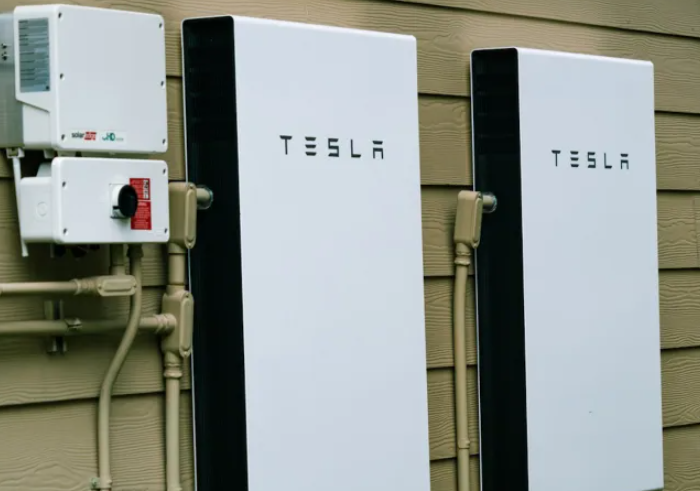
This is where battery storage changes everything. Under NEM 3.0, batteries are no longer a luxury add-on—they are a core part of a financially optimized system.
1. Time-Shifting Energy = Higher Value
Batteries allow homeowners to:
• Store excess solar energy during the day
• Use or export it during peak evening hours (typically 6–9 PM)
That shift can dramatically increase the value of your solar production.
2. Maximizing Self-Consumption
Since exporting energy is less profitable, the goal becomes:
• Use your own solar power instead of buying from the grid
Batteries help homeowners achieve 70–90% bill reduction by keeping energy onsite
3. Better Financial Returns
With solar alone under NEM 3.0:
• Payback periods often stretch to 8–10 years
With solar + battery:
• Payback improves to around 7–8 years
• Monthly savings increase significantly
In some cases, batteries can even enable “day-one savings,” where system payments are lower than prior electric bills.
4. Grid Independence and Backup Power
Beyond economics, batteries provide:
• Backup power during outages
• Reduced dependence on rising utility rates
• Greater control over household energy
________________________________________
A Shift From “Solar Systems” to “Energy Systems”
The deeper change in California isn’t just policy—it’s philosophy. Homeowners now need to think beyond panels and start thinking in terms of integrated energy systems:
• Solar generation
• Battery storage
• Time-of-use rate optimization
• Smart energy management (EVs, appliances, heating/cooling)
Success under NEM 3.0 comes from how well these pieces work together—not just how many panels are on the roof.
________________________________________
State regulators made this shift for a few key reasons:
• To reduce cost burdens on non-solar customers
• To better align solar exports with grid needs
• To encourage distributed storage, which helps stabilize the grid
In short, California is moving from a system that rewards solar production to one that rewards grid-supportive behavior.
________________________________________
So, the bottom line is that Solar in California still works—but the strategy has changed.
• Old model: Panels only, maximize exports
• New model: Solar + storage, maximize timing and self-use
Homeowners who adapt to this shift can still achieve strong savings and energy independence. Those who don’t may find the economics far less compelling than they expected.

________________________________________
Final Thought:
NEM 3.0 didn’t kill rooftop solar in California—it evolved it. The winners in this new environment won’t be those who generate the most energy, but those who manage it the smartest.
Solar Financing After the 30% ITC: A New Playbook for Homeowners:
With the expiration of the residential 30% federal Investment Tax Credit (Section 25D) at the end of 2025, the economics of going solar have shifted dramatically.
For years, the equation was simple:
• Buy solar (cash or loan)
• Claim 30% back on your taxes
• Achieve a fast payback
Today, that direct tax benefit is gone for homeowners. But the solar industry didn’t lose the incentive—it restructured how it’s delivered. The result is a new generation of financing models that, in many cases, can replicate—or even outperform—the old ITC-driven returns.
________________________________________
The 30% tax credit still exists—but now it belongs to whoever owns the system.
That means:
• If you own the system → no tax credit
• If a third party owns the system (temporarily) → they can claim commercial tax credits (Section 48/48E), which is now higher than 30%, and in some cases up to 50%.
Modern financing models are built around this idea: Let a third party capture the incentive, then pass the value back to the homeowner through lower costs or payments.
________________________________________
1. “Transitional Ownership” (Propel / Concert Finance)
This is one of the most important innovations in the post-ITC world.
Programs like Propel (powered by Concert Finance) are designed to combine the best parts of ownership and third-party financing.
This is how it works:
• A third party owns the system for the first ~5 years
• During that time, they claim the tax credits
• The value of those credits is passed to you upfront as a discount (typically 30–40%)
• After the initial period, ownership transfers to you automatically.
👉 In effect, this creates the old ITC benefit for you, even if you do not pay federal taxes. The financing company claims the tax credit on your behalf and passes it on to you without having to wait until you file your tax return.
Key advantages:
• Immediate reduction in system cost (~30–40%)
• Lower monthly payments because you finance less
• Eventual system ownership (unlike traditional leases)
• No reliance on your personal tax liability
Why it matters:
This model directly solves the biggest problem created by the ITC expiration: Homeowners can no longer monetize tax credits—but financing structures can.
________________________________________
2. Prepaid Energy / Hybrid TPO Models
Closely related to Propel, these are often called:
• Prepaid PPAs
• Hybrid ownership models
• Energy Service Agreements (ESAs)
Structure:
• You prepay (or finance) part of the system
• A third party owns it initially
• Incentives are captured at the project level
• Ownership transitions later
These models are gaining traction because they:
• Deliver lower effective system costs upfront
• Avoid dealer fees common in traditional solar loans
• Provide performance guarantees and maintenance coverage early on
________________________________________
3. Participate Energy & Emerging “Shared Savings” Models
While newer and less standardized, companies like Participate Energy are part of a broader trend:
The idea:
• Align homeowner payments with actual system performance and savings
• Share value between investor and homeowner
• Optimize systems (especially with batteries) for maximum bill reduction, not just production
These models are still evolving, but they represent a shift toward:
Energy-as-a-service, rather than equipment ownership.
________________________________________
Why These Models Can Outperform Old-School Ownership
At first glance, it might seem like losing the ITC makes solar less attractive. In reality, these new structures can outperform traditional ownership in several ways:
1. No Tax Appetite Required
Previously:
• If you couldn’t fully use the tax credit, you lost value
Now:
• Financing entities monetize 100% of the incentive and pass it through
________________________________________
2. Lower Effective System Cost
With transitional ownership models:
• A $30,000 system can effectively cost closer to ~$21,000 after embedded incentives
That’s similar to—or better than—the old ITC-adjusted cost.
________________________________________
3. Better Cash Flow From Day One
Instead of waiting for a tax return:
• Savings are built directly into lower monthly payments
• Many homeowners see immediate positive cash flow
________________________________________
4. Integrated Solar + Battery Optimization
These financing models are increasingly designed around:
• Time-of-use rates
• Battery storage
• Grid interaction
That means they’re not just financing solar—they’re financing bill reduction strategies.
________________________________________
The Bottom Line: Financing Is Now the Strategy
In today’s market, the question is no longer:
“Should I buy solar or finance it?”
Instead, it’s:
“Which financing structure gives me the best combination of savings, control, and long-term value?”
________________________________________
Final Thought
The expiration of the 30% ITC didn’t kill solar economics—it forced innovation.
• Propel / Concert Finance-style models recreate ownership with built-in incentives
• Emerging platforms like Participate Energy are redefining solar as a service
• This may actually be the best time ever to go solar. Cost of electricity keeps rising and cost of installing solar and battery continues to go down creating the best environment for saving energy bills and achieving energy independence.
The homeowners who benefit most in this new era won’t be those who simply “go solar”—
they’ll be the ones who choose the right financial structure to unlock its full value. For any questions about the new Solar Innovation process, please go to cosmicsolar.com, or call 760-749-1111.
Written by Pey Shadzi, COO, VP of Cosmic Solar and Roofing, Inc.